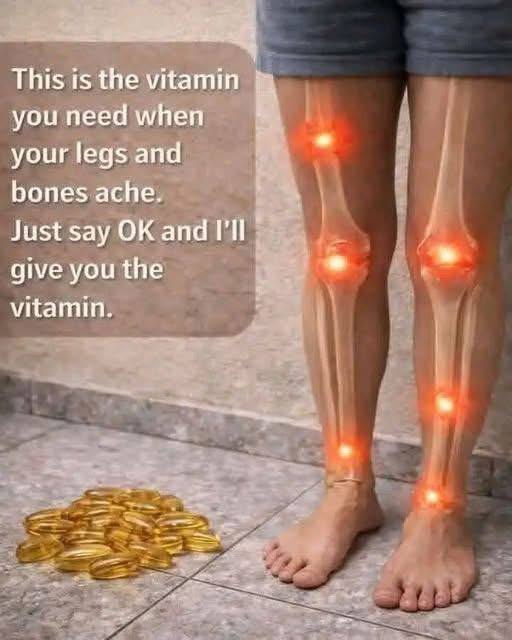
Have you ever experienced aching legs, sore knees, or uncomfortable joints after a long day? Sometimes the discomfort seems to appear without an obvious reason.
You might blame it on standing too long, getting older, or simply being tired.
But did you know that certain vitamin deficiencies can sometimes contribute to muscle weakness and bone discomfort?
One important nutrient worth understanding is vitamin D.
Vitamin D plays a significant role in maintaining healthy bones and supporting normal muscle function. When levels become too low, some people may experience bone pain, muscle weakness, or general discomfort.
However, not every ache is caused by a vitamin deficiency, and taking supplements without knowing the cause isn’t always the best solution.
Let’s explore how vitamin D works, which foods provide it, and how to support healthy bones and muscles naturally.
Why Vitamin D Is Important for Your Bones
Vitamin D is a fat-soluble vitamin that helps your body absorb calcium and phosphorus.
These minerals are essential for maintaining strong bones and teeth.
Without sufficient vitamin D, the body cannot absorb calcium as efficiently.
Over time, a severe deficiency may contribute to weakened bones.
In adults, prolonged vitamin D deficiency can cause osteomalacia, a condition that may lead to bone pain and muscle weakness.
Vitamin D also contributes to normal muscle function.
This makes it an important nutrient for people of different ages, especially older adults who may be at greater risk of falls and bone problems.
Still, vitamin D is only one part of maintaining musculoskeletal health.
Adequate calcium, protein, physical activity, and overall nutrition are equally important.
Can Vitamin D Deficiency Cause Leg Pain?
Vitamin D deficiency can sometimes contribute to bone discomfort and muscle weakness.
Some people with severe deficiency experience widespread aches, difficulty climbing stairs, or discomfort when walking.
However, these symptoms are not specific to vitamin D deficiency.
Leg pain can also result from muscle strain, arthritis, nerve irritation, circulation problems, injuries, or other medical conditions.
Knee pain, for example, is often related to joint or surrounding tissue problems rather than a vitamin deficiency.
This is why it is important not to assume that vitamin D supplements will automatically eliminate leg pain.
If discomfort persists or affects your daily activities, a healthcare professional can help identify the underlying cause.
Signs That May Occur With Low Vitamin D
Vitamin D deficiency doesn’t always produce noticeable symptoms.
Many people discover they have low levels only after medical evaluation.
When symptoms do occur, they may include:
Bone pain or tenderness
Muscle weakness
Difficulty performing certain physical activities
Increased risk of fractures when deficiency is prolonged and severe
General musculoskeletal discomfort
These symptoms can also occur with many other conditions.
A blood test measuring 25-hydroxyvitamin D may be recommended when a healthcare professional suspects deficiency.
Routine testing isn’t necessary for everyone.
Who May Be More Likely to Have Low Vitamin D?
Certain circumstances can increase the likelihood of vitamin D deficiency.
Older adults may produce less vitamin D through their skin.
People who spend little time outdoors or consistently cover most of their skin may also have reduced vitamin D production from sunlight.
Individuals with darker skin may require more sun exposure to produce the same amount of vitamin D, although deliberate unprotected sun exposure is not recommended.
Certain digestive conditions can interfere with vitamin D absorption.
People with osteoporosis, some chronic illnesses, or specific dietary restrictions may also need individualized assessment.
If you belong to a higher-risk group, discuss appropriate vitamin D intake and testing with a healthcare professional.
Foods That Naturally Provide Vitamin D
Although sunlight contributes to vitamin D production, food is another important source.
Some foods naturally contain vitamin D, while others are fortified with it.
Fatty Fish
Salmon, sardines, trout, and mackerel are useful dietary sources of vitamin D.
They also provide protein and omega-3 fatty acids.
Including fish in your meals can contribute to a varied, nutritious diet.
Egg Yolks
Egg yolks contain modest amounts of vitamin D.
Eggs also provide protein and several other nutrients.
They are easy to incorporate into breakfast, lunch, or dinner.
Fortified Milk and Plant-Based Drinks
Some dairy products and plant-based milk alternatives contain added vitamin D.
The amount varies by product and country.
Check the nutrition label to see whether vitamin D has been added.
UV-Exposed Mushrooms
Certain mushrooms exposed to ultraviolet light can provide vitamin D2.
Not all mushrooms contain meaningful amounts, so labeling matters.
A Simple Bone-Friendly Breakfast Recipe
A nutritious breakfast can help you obtain protein, calcium, and other nutrients that support normal bone and muscle function.
This easy recipe combines eggs, spinach, and whole-grain toast.
It doesn’t treat leg pain or correct a diagnosed vitamin D deficiency on its own, but it can fit into a balanced eating pattern.
Ingredients
For one serving:
2 eggs
1 cup fresh spinach
1 teaspoon olive oil
2 tablespoons milk or fortified plant-based milk
1 slice whole-grain bread
A pinch of black pepper
A small pinch of salt, optional
Instructions
1. Wash the spinach thoroughly and drain it.
2. Crack the eggs into a bowl, add the milk, and whisk until combined.
3. Heat the olive oil in a nonstick skillet over medium heat.
4. Add the spinach and cook briefly until wilted.
5. Pour in the egg mixture and stir gently until the eggs are fully cooked.
6. Season lightly with black pepper.
7. Serve with toasted whole-grain bread.
For an additional source of vitamin D, consider pairing this meal with a serving of fortified milk or including fatty fish in another meal.
Vitamin D Supplements: What You Should Know
Vitamin D supplements are widely available in capsules, tablets, and liquid drops.
The image shows golden softgel capsules, but their contents and dosage cannot be identified from appearance alone.
Some vitamin D supplements look similar to fish oil capsules or other dietary supplements.
Never identify or take a supplement based only on its color or shape.
Vitamin D supplements can be helpful for people who are unable to obtain enough vitamin D through diet or who have a confirmed deficiency.
However, the appropriate dose depends on age, health status, dietary intake, and individual circumstances.
For many adults aged 19–70, the recommended dietary allowance is 600 IU (15 micrograms) daily. For adults over 70, it is 800 IU (20 micrograms).
These amounts represent total daily intake from food and supplements, not an instruction that everyone must take a pill.
Can Too Much Vitamin D Be Harmful?
Yes. Because vitamin D is fat-soluble, excessive supplementation can lead to harmful levels in the body.
Taking too much vitamin D over time can cause high blood calcium levels.
Possible symptoms include nausea, vomiting, weakness, excessive thirst, frequent urination, and kidney problems.
For most adults, the general tolerable upper intake level is 4,000 IU (100 micrograms) per day, although a clinician may prescribe higher doses temporarily for specific medical reasons.
This upper limit is not a recommended daily target.
Avoid combining multiple supplements containing vitamin D without checking their labels.
If you are taking medications or have kidney disease, high calcium levels, or other chronic conditions, consult your healthcare professional before supplementing.
Other Nutrients That Support Healthy Bones
Vitamin D works alongside several other nutrients.
Calcium
Calcium is essential for bone structure.
Useful food sources include yogurt, milk, cheese, calcium-set tofu, fortified drinks, and certain leafy greens.
Magnesium
Magnesium contributes to normal muscle and nerve function.
It is found in nuts, seeds, beans, whole grains, and green vegetables.
Protein
Protein supports the maintenance and repair of body tissues, including muscles.
Eggs, fish, poultry, dairy products, legumes, and soy foods are useful sources.
Vitamin K
Vitamin K contributes to normal blood clotting and is involved in bone metabolism.
Leafy green vegetables such as kale and spinach provide vitamin K.
People taking warfarin should maintain a consistent vitamin K intake and follow their clinician’s guidance.
Daily Habits That Help Keep Bones and Muscles Strong
Nutrition is important, but movement also matters.
Regular weight-bearing activities, such as walking, help maintain bone health.
Resistance exercises can support muscle strength and physical function.
Balance exercises may help older adults reduce their risk of falls.
Start gradually if you haven’t been physically active for a while.
Comfortable footwear and appropriate recovery time can also help reduce everyday strain.
If you have persistent pain, avoid pushing through it without understanding the cause.
When Should You Seek Medical Advice?
Occasional soreness after physical activity is common.
However, certain symptoms should not be ignored.
Seek urgent medical assessment if you develop sudden severe leg pain, significant swelling in one leg, redness or warmth, or difficulty bearing weight after an injury.
Leg swelling or pain accompanied by chest pain or shortness of breath requires emergency medical attention.
Persistent bone pain, repeated fractures, progressive weakness, or unexplained discomfort also deserves medical evaluation.
A healthcare professional can determine whether vitamin D testing, imaging, or another assessment is appropriate.
Frequently Asked Questions
Is vitamin D the best vitamin for leg pain?
Vitamin D is important for bone and muscle health, but there is no single vitamin that treats every type of leg pain. Treatment depends on the cause.
Can vitamin D help with knee pain?
Correcting a deficiency may improve symptoms related to that deficiency. However, vitamin D supplements have not been consistently shown to relieve knee pain caused by conditions such as osteoarthritis.
How quickly does vitamin D work?
If someone has a confirmed deficiency, improving vitamin D levels can take weeks or months. Symptom improvement varies, and some discomfort may have unrelated causes.
Should I take vitamin D every day?
Daily supplementation may be appropriate for some people, but the amount should reflect individual needs. Not everyone requires a supplement.
Is vitamin D better in the morning or evening?
There is no strong evidence that one time of day is universally better. Vitamin D is fat-soluble, so taking a supplement with a meal containing some fat may improve absorption.
Can I get enough vitamin D from food alone?
Some people can meet their needs through fortified foods and natural dietary sources, while others may need supplements. Individual circumstances vary.
Can vitamin D prevent all bone problems?
No. Vitamin D contributes to bone health, but strong bones also depend on calcium, physical activity, adequate nutrition, and other factors.
Final Thoughts
Vitamin D is an essential nutrient that supports calcium absorption, bone strength, and normal muscle function.
When vitamin D levels are too low, some people may experience bone discomfort or muscle weakness.
However, aching legs and knees can have many different causes, and taking a vitamin capsule isn’t a guaranteed solution.
The best approach is to maintain a balanced diet, stay physically active, obtain adequate vitamin D, and seek medical guidance when symptoms persist.
Taking care of your bones doesn’t require complicated routines or miracle supplements.
Small, consistent habits can help support strength, mobility, and overall well-being throughout life.